

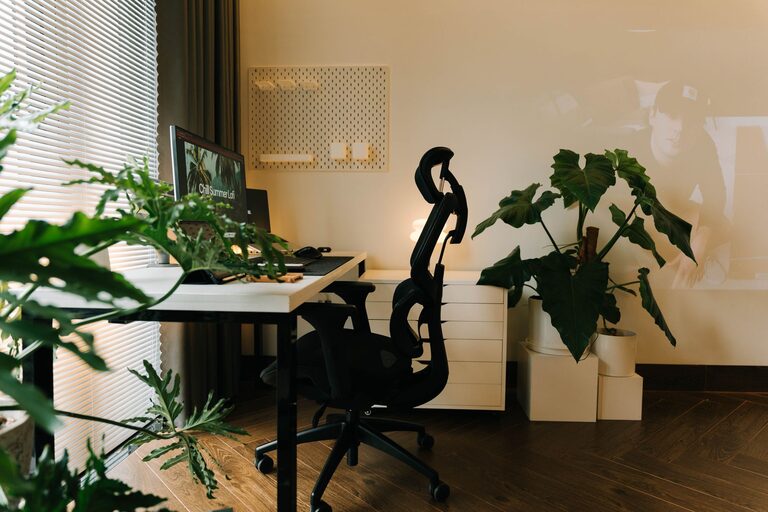
Creating a relaxing home office environment can greatly enhance your productivity and overall well-being while working from home. When your workspace feels comfortable and stress-free, it’s easier to stay focused and motivated throughout the day. Whether you have a dedicated room or a small corner in your living space, a few simple adjustments can transform your home office into a peaceful retreat.
In this post, we’ll explore effective tips to help you design a calming home office. From lighting and furniture to organization and decor, these ideas aim to promote both comfort and efficiency.
Choose the Right Location
Selecting the right spot for your home office is crucial. Ideally, you want an area that is quiet and away from heavy foot traffic or distractions. If possible, designate a separate room for your workspace to create a mental distinction between work and leisure.
If space is limited, consider using room dividers or curtains to set boundaries in a shared area. Natural light is another important factor to consider when choosing your office space, as it boosts mood and energy levels.
Optimize Natural and Artificial Lighting
Lighting affects your focus and the overall ambiance of your office. Position your desk close to a window to take advantage of natural sunlight. If natural light is insufficient or you work during evenings, invest in quality artificial lighting.
Use soft, warm LED lights or daylight-balanced bulbs to reduce eye strain. Avoid harsh overhead fluorescent lights, as they can cause fatigue. Adding a desk lamp with adjustable brightness will allow you to control your light source depending on your task.
Select Comfortable and Supportive Furniture
Your furniture plays a key role in both comfort and productivity.
– Ergonomic Chair: Invest in a chair that supports good posture, with adjustable height and lumbar support.
– Desk: Choose a desk with enough surface area to organize your essentials without clutter. Sit-stand desks are great for alternating positions during the day.
– Footrest: If needed, add a footrest to maintain comfortable leg positioning.
Comfortable furniture helps reduce discomfort and distractions, enabling you to focus better.
Keep Your Workspace Organized
Clutter can increase stress and make it harder to concentrate. Keep your home office neat by developing a simple organization system.
– Use trays or drawers to store paperwork.
– Label storage bins or folders.
– Maintain a clean desktop by only keeping essential items within reach.
– Regularly declutter and remove unnecessary items.
An organized workspace contributes to a clear mind and efficient work habits.
Add Soothing Colors and Decorations
Colors have a psychological impact on mood. Choose soothing tones like soft blues, greens, or neutral shades for your walls and accessories. These colors promote relaxation and calmness.
Incorporate decorations that inspire and comfort you, such as:
– Plants: Indoor greenery improves air quality and adds life to your workspace.
– Artwork: Select pieces that make you feel happy or motivated.
– Personal touches: Family photos or meaningful objects can create a positive environment.
Just be mindful not to overdecorate, as this can lead to visual distractions.
Use Noise Control Methods
Excess noise can disrupt your concentration. To create a quiet atmosphere:
– Use noise-canceling headphones or earplugs as needed.
– Add soft furnishings like rugs, curtains, or upholstered chairs to absorb sound.
– Consider playing background music or white noise to mask distracting sounds.
Finding ways to manage noise will keep your mind focused on your work.
Incorporate Regular Breaks and Movement
A relaxing office isn’t just about the physical setup – your work habits matter too. Schedule regular short breaks to stretch and move around. This helps prevent physical tension and mental fatigue.
Set reminders to stand up, do light exercises, or take a short walk. These habits encourage circulation and refresh your mindset, making your workday more comfortable.
Maintain Good Air Quality and Temperature
Fresh air and a comfortable temperature foster a pleasant environment. If possible, open windows periodically to let in fresh air. Use an air purifier if needed to reduce allergens and dust.
Keep your home office at a temperature that feels comfortable for you, typically between 68°F and 72°F (20°C to 22°C). Use fans, heaters, or humidifiers to adjust the climate as necessary.
Minimize Digital Distractions
Technology is essential but can also be a source of stress. Manage your digital environment by:
– Turning off non-essential notifications.
– Using apps that promote focus or block distracting websites.
– Keeping your desktop and files organized digitally as well.
A well-managed digital space complements your physical setup and supports productivity.
Final Thoughts
Designing a relaxing home office environment requires attention to both your physical space and daily habits. By choosing the right location, optimizing lighting, selecting comfortable furniture, and keeping things organized, you set the stage for a calm and productive workday.
Remember to personalize your workspace with soothing colors and meaningful decor while managing noise and digital distractions. Don’t forget to take regular breaks to maintain both physical comfort and mental clarity.
With these tips, your home office can become a place you enjoy spending time in—helping you stay focused, relaxed, and successful in your remote work journey.